June 9, 2026
Planning an event involves more than choosing a date, sending invitations, and arranging food. The setting itself affects how people arrive, interact, relax, and remember the occasion. A well-chosen event space can help guests feel welcomed from the moment they walk through the door, while a poorly matched setting can make even strong planning feel disjointed. From layout and lighting to sound, accessibility, and flow, every detail influences the overall experience.
Whether the occasion is a wedding, banquet, fundraiser, corporate gathering, or private celebration, the venue becomes part of the story. Guests may not notice every design choice individually, but they often remember how comfortable, connected, and engaged they felt. That is why choosing an event space should involve more than checking capacity and availability.
Supporting Comfort From the Start
Guest experience begins before the main event officially starts. Parking, entrances, signage, coat areas, restrooms, and greeting spaces all shape first impressions. When these details are easy to navigate, guests can settle in with less stress and more excitement.
An event space with a welcoming arrival area gives hosts a better opportunity to greet attendees, manage check-ins, and create a smooth transition into the celebration. This is especially important for weddings, galas, reunions, and formal events where guests may arrive in waves. A cramped or confusing entrance can make people feel rushed, while a thoughtful layout can help the event begin on a calm and polished note.
Comfort also depends on temperature, seating, lighting, and access to amenities. Guests should be able to move easily, find what they need, and feel included throughout the event. When the venue handles these practical needs well, hosts have more freedom to focus on personal details, entertainment, and meaningful moments.
Encouraging Natural Guest Flow
The way people move through a venue can affect the energy of the entire event. A strong event space supports natural guest flow by making it clear where people should gather, eat, dance, mingle, or participate in planned activities. This helps prevent bottlenecks, awkward transitions, and underused areas.
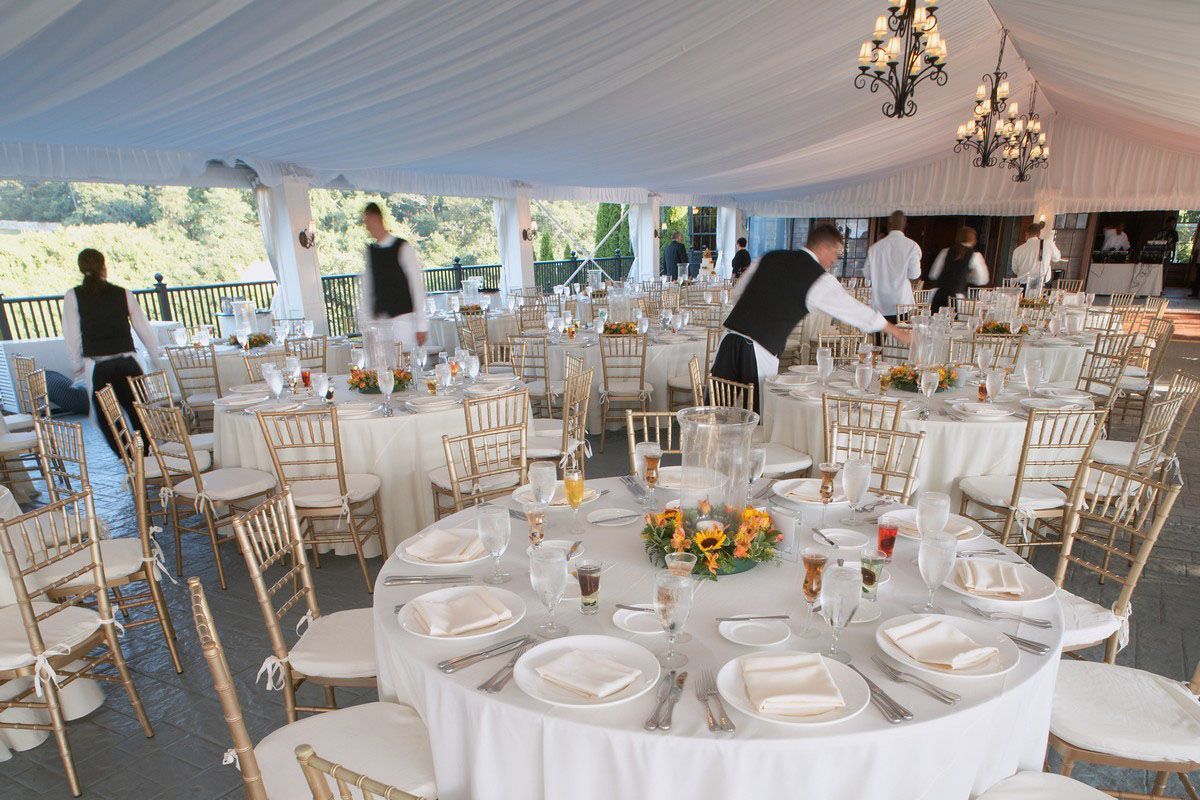
Flow matters during every stage of an event. Guests may need to move from a cocktail hour to dinner, from dinner to dancing, or from a presentation to a reception. If the space is arranged well, those transitions feel easy instead of disruptive. Wide pathways, flexible room layouts, and clear sightlines can make guests feel more comfortable without drawing attention to the planning behind the scenes.
Good flow can also support better interaction. When seating, tables, bars, and activity areas are placed with intention, guests are more likely to talk, explore, and stay engaged. This can be especially helpful for events where not everyone knows each other. The right event space can encourage connection by making movement feel natural rather than forced.
Setting the Right Tone
Every event has a mood, whether it is elegant, relaxed, festive, professional, romantic, or family-focused. The venue plays a major role in establishing that tone. Architecture, décor, lighting, flooring, ceiling height, and room shape can all influence how formal or casual the event feels.
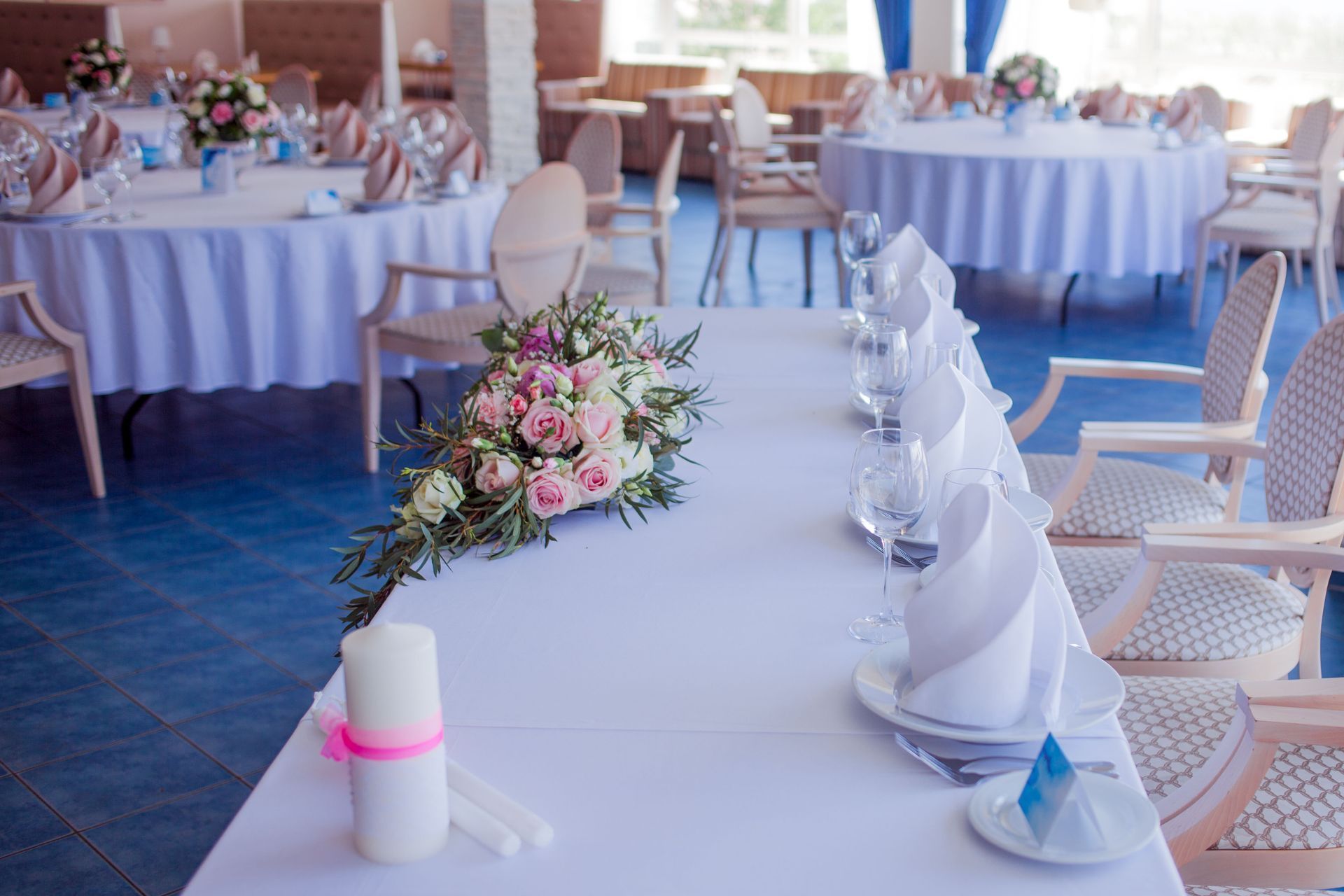
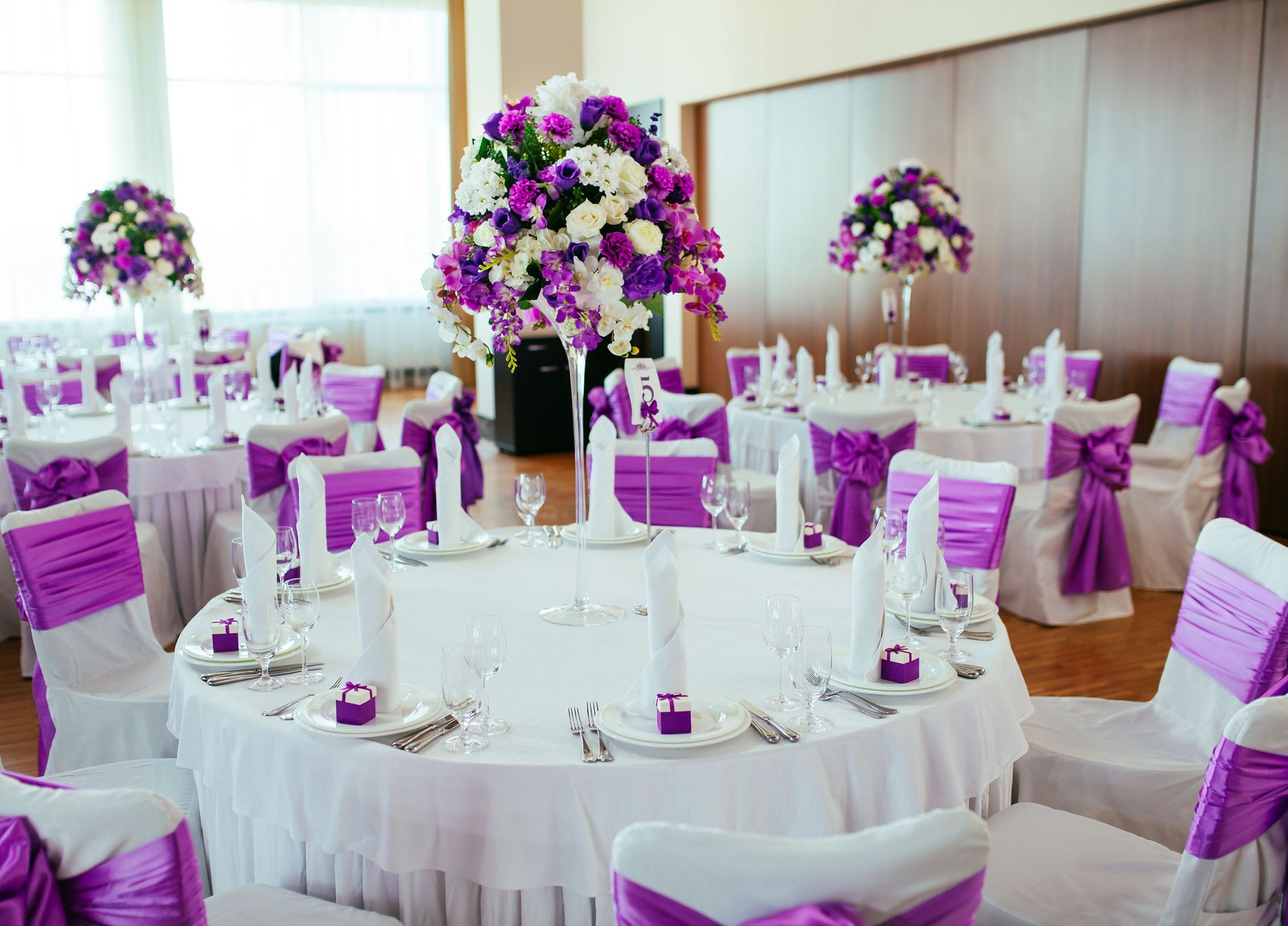
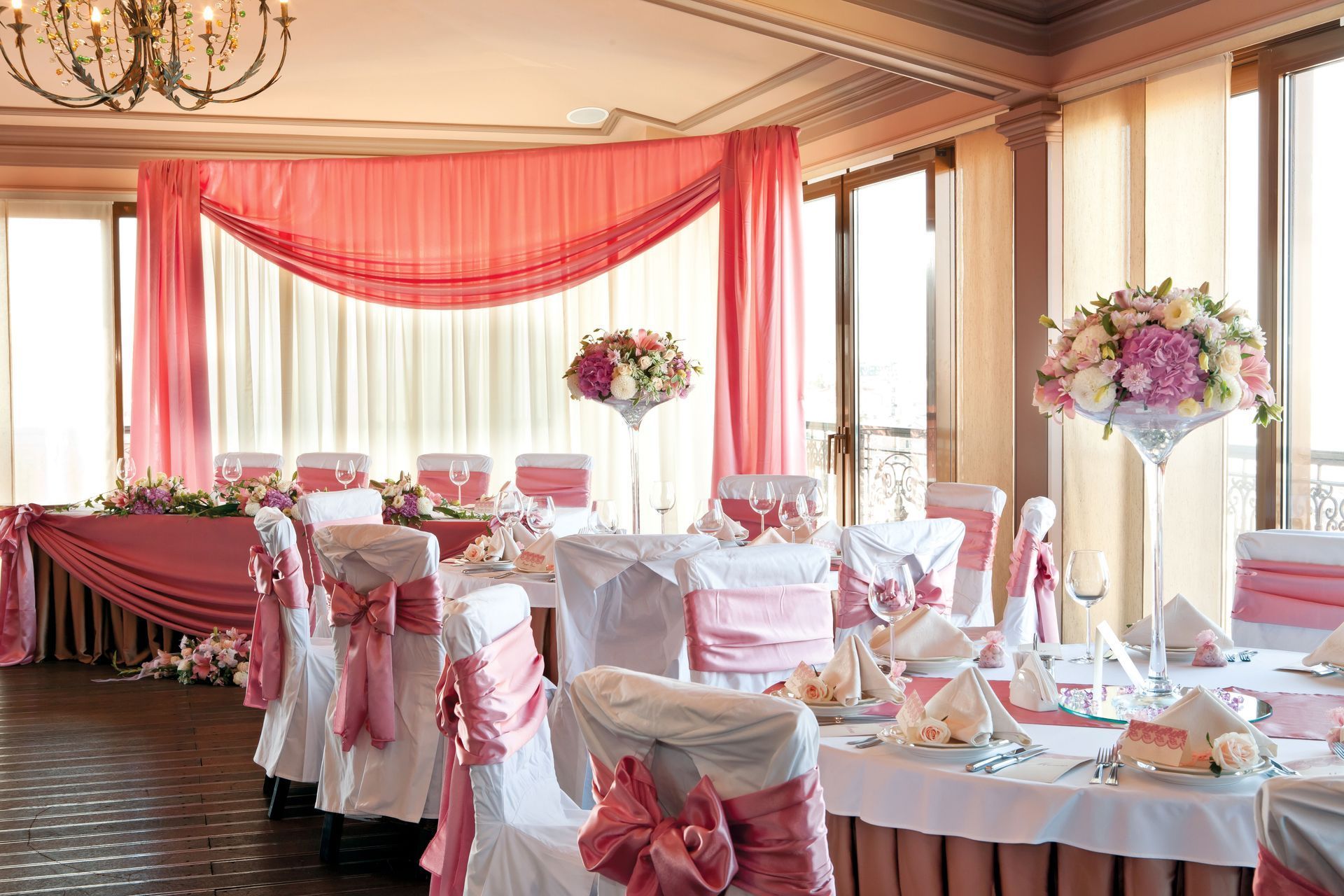
A ballroom can create a sense of occasion for weddings, milestone celebrations, award dinners, and community events. A polished event space also gives hosts a flexible foundation for flowers, linens, music, photography, and personalized décor. Instead of fighting against the setting, hosts can build on what already exists.
Tone is also connected to consistency. When the venue matches the purpose of the event, guests understand the experience more quickly. A formal dinner in a refined setting feels cohesive, while a celebration with room for dancing and conversation feels more inviting when the layout supports both. Choosing the right event space helps make the theme, schedule, and atmosphere feel aligned.
Making Technology Feel Seamless
Modern events often rely on technology, even when the occasion is highly personal. Sound systems, microphones, screens, lighting controls, Wi-Fi, and presentation equipment can all affect how guests experience key moments. If guests cannot hear a toast, see a slideshow, or follow a speaker, the emotional impact of the event may be reduced.
Technology is also changing how people attend events. According to the Swiss Hotel Management School, a recent study found that about 40% of respondents said hybrid events are their preferred event format to attend. This shows why a venue’s technical capabilities can matter for corporate events, fundraisers, conferences, memorials, and celebrations with guests who cannot attend in person.
An event space that supports audio, visual, and connectivity needs can make technology feel like a natural part of the experience. Instead of distracting from the occasion, it helps extend participation and preserve important moments. Strong technical support can also reduce stress for hosts, speakers, vendors, and coordinators.
Creating Memorable Shared Moments
Many of the best event memories happen when guests share something together. This might be a first dance, a speech, a toast, a meal, a performance, or a quiet conversation with family. The right event space helps frame these moments so they feel intentional and easy to enjoy.
Room layout can influence how well guests see and hear what is happening. If tables are positioned thoughtfully, more people can stay engaged during speeches, ceremonies, or entertainment. Lighting can highlight focal points, while open areas can encourage dancing, photos, and group activities.
A venue can also shape the emotional rhythm of an event. Some moments call for energy and movement, while others call for intimacy and focus. A flexible event space can support both. When guests can move from laughter and conversation to formal moments and back again, the event feels more complete and memorable.
Helping Hosts Plan With Confidence
A positive guest experience often depends on what happens behind the scenes. Hosts need to coordinate vendors, timelines, food service, décor, seating, music, photography, and cleanup. A well-managed venue can make those pieces easier to organize.
An event space with experienced staff, clear policies, and practical planning support can help hosts avoid common challenges. Questions about timing, room setup, vendor access, and guest accommodations are easier to answer when the venue team understands how events operate.
Confidence also comes from knowing the space can adapt. Guest counts may change, weather may affect arrivals, and schedules may shift. A venue that offers flexibility can help protect the guest experience when small changes happen. Instead of feeling overwhelmed by logistics, hosts can stay focused on creating a meaningful occasion.
Strengthening the Overall Experience
An event space does more than hold guests; it shapes how the entire occasion feels. It affects comfort, movement, tone, technology, connection, and planning confidence. When these elements work together, guests are more likely to feel included, relaxed, and engaged.
The best venue choice is one that fits the event’s purpose and supports the people attending it. For some hosts, that may mean a refined ballroom with space for dinner and dancing. For others, it may mean a flexible setting for presentations, community gatherings, or milestone celebrations. In every case, the event space should make the experience easier to enjoy.
By thinking beyond basic capacity, hosts can choose a venue that supports both practical needs and emotional moments. A thoughtful setting can turn a planned gathering into an experience guests remember long after the event ends. Call The Harrison Ballroom today to schedule your event or venue tour.