June 12, 2026
Planning a successful event involves countless decisions, but few are as important as selecting the right event space. Whether you are organizing a corporate conference, wedding reception, fundraiser, networking event, or community gathering, the venue serves as the foundation upon which the entire experience is built. The right event space can create a welcoming atmosphere, support your logistical needs, and leave a lasting impression on attendees. On the other hand, a poorly chosen venue can create challenges that detract from the overall success of the occasion.
As events continue to evolve, venue selection has become more complex than ever. According to the Swiss Hotel Management School, a recent study found that approximately 40% of respondents identified hybrid events as their preferred event format. This trend highlights the growing importance of choosing an event space that can accommodate both in-person and virtual attendees while providing the necessary technology and flexibility.
What Are the Key Elements to Consider When Choosing an Event Space?
Selecting an event space begins with identifying the primary objectives of your event. The venue should support the purpose of the gathering and align with the expectations of your attendees. One of the first considerations is location. A conveniently located venue encourages attendance and minimizes travel challenges for guests. Choosing a central location with easy access to major roads, public transportation, or airports can significantly improve the attendee experience.
Capacity is another critical factor. An event space should comfortably accommodate your expected guest count without feeling overcrowded or excessively empty. The venue's size should match the scale of the event while allowing room for movement, networking, and any planned activities.
Amenities also play a significant role in venue selection. Features such as audiovisual equipment, Wi-Fi access, catering services, dressing rooms, and breakout spaces can add convenience and reduce the need for outside vendors. Evaluating available amenities helps ensure the venue can support your event's requirements.
Budget considerations are equally important. Venue costs often represent a substantial portion of an event budget, making it essential to understand what is included in the rental fee. Some venues provide tables, chairs, setup services, and technical support, while others charge separately for these items.
How Can You Assess the Capacity Requirements for Your Event Space?
Determining the appropriate size of an event space requires more than simply estimating attendance. Event planners must consider how guests will interact with the space and what activities will take place throughout the event.
The first step is developing a realistic attendance estimate. Historical attendance data, registration trends, and invitation responses can help create an accurate projection. Once attendance is estimated, planners should evaluate the seating arrangement. Different layouts require varying amounts of space. Theater-style seating can accommodate more guests, while banquet-style arrangements require additional room for tables and service areas.
Events that include presentations, exhibits, entertainment, or networking sessions may need additional square footage beyond basic seating requirements. For example, a conference may require space for registration desks, sponsor booths, and breakout rooms. Similarly, weddings often need dedicated areas for dining, dancing, and photography.
It is also important to consider attendee comfort. Overcrowding can negatively affect the guest experience and create safety concerns. An event space should provide sufficient room for guests to move comfortably between activities without excessive congestion.
Future flexibility should also be factored into capacity planning. Unexpected attendance increases can occur, and selecting a venue with some extra capacity can help accommodate growth without compromising the event experience.
What Are the Most Popular Types of Event Spaces?
Today's event industry offers a wide variety of venue options, allowing organizers to find spaces that match their goals, audience, and budget. Understanding the strengths of different venue types can simplify the selection process.
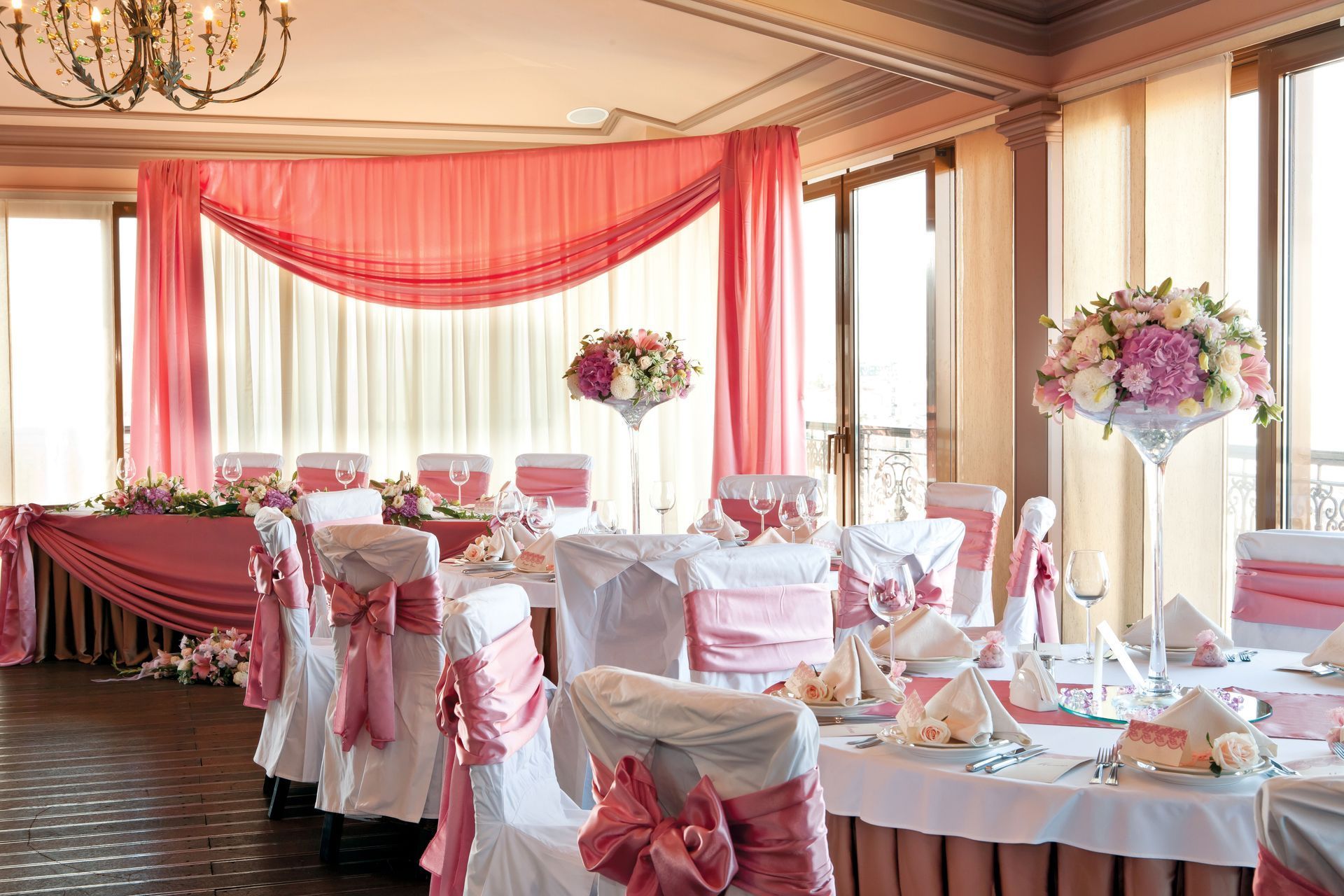
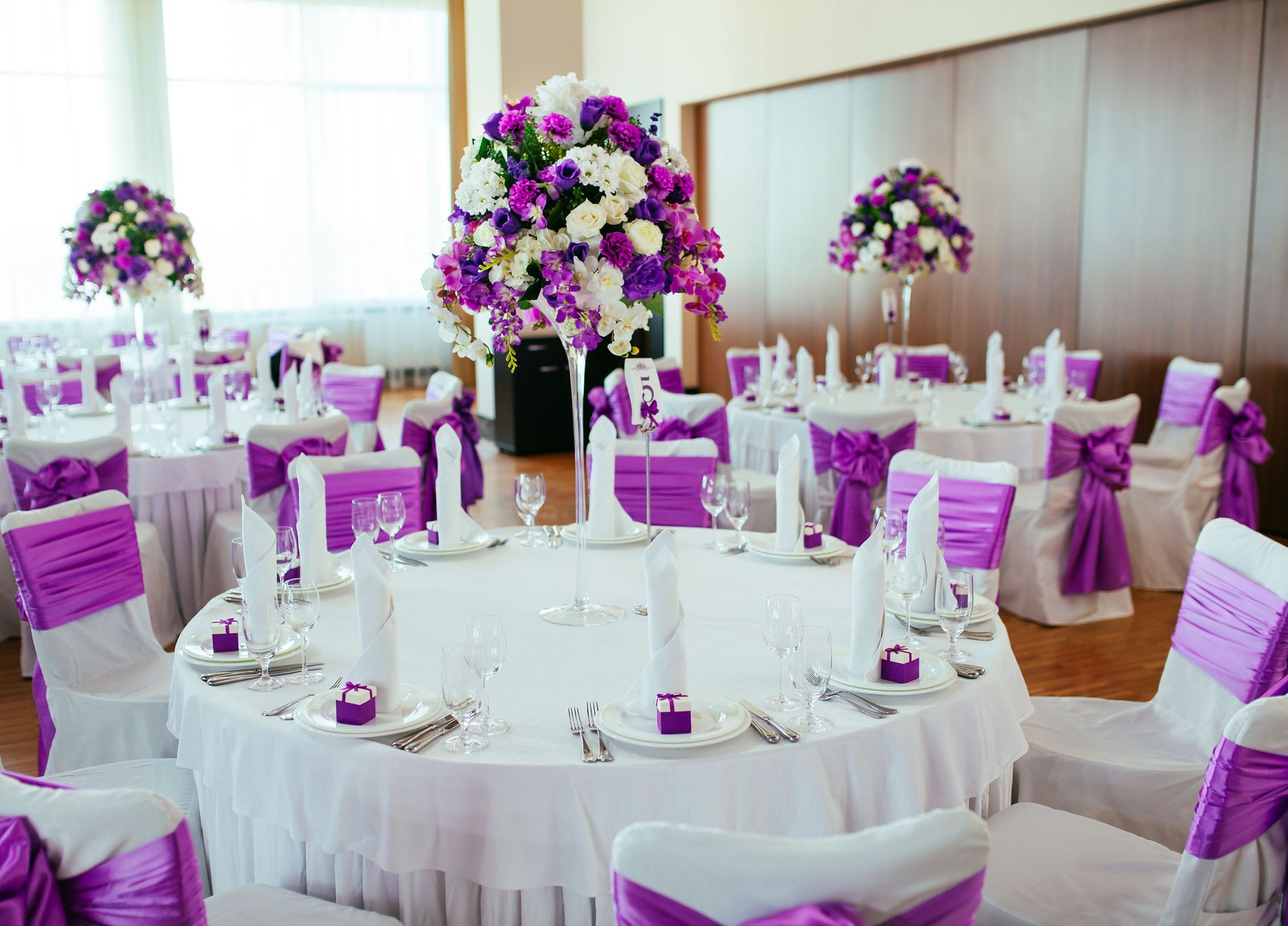
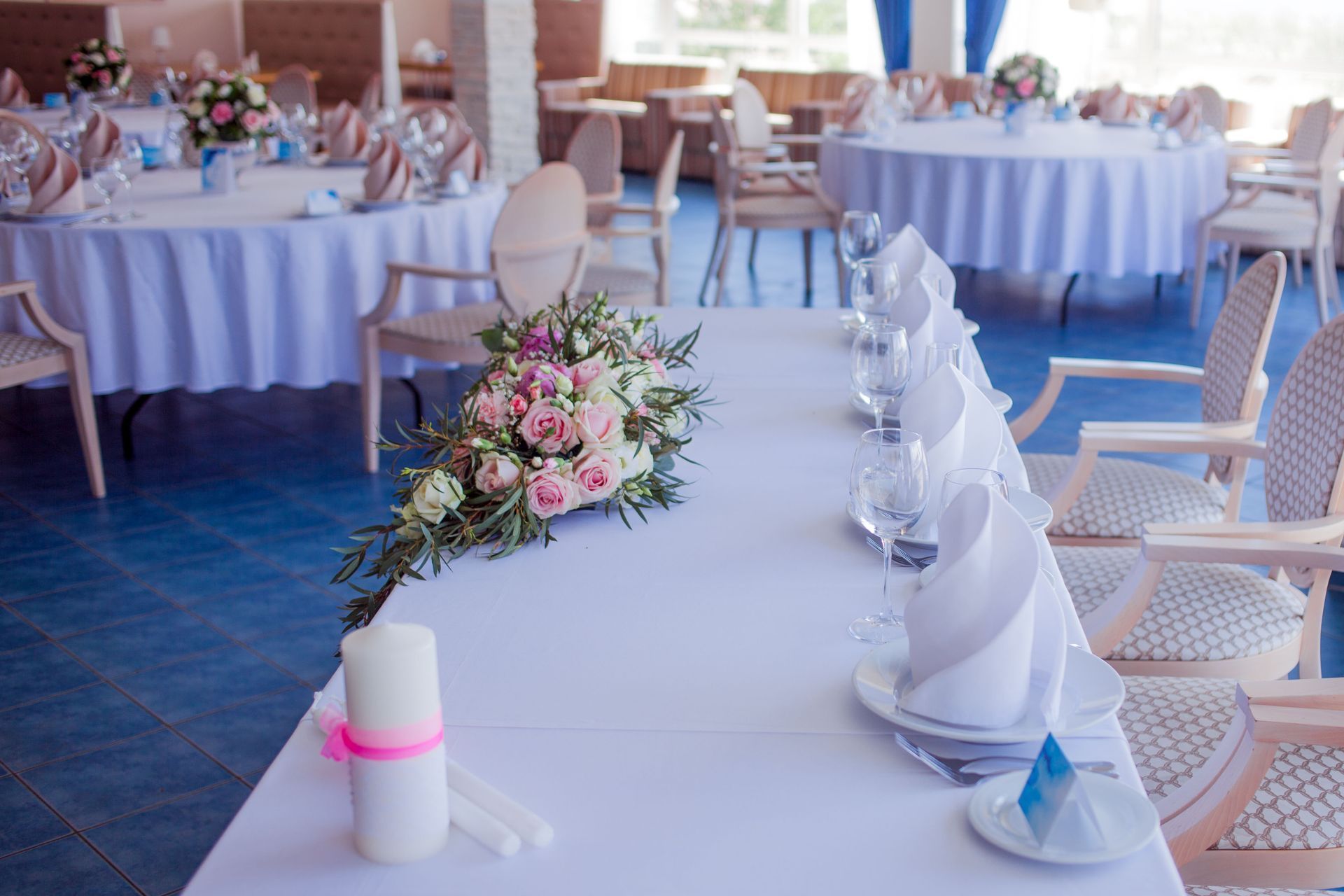
Banquet halls remain among the most popular choices for weddings, celebrations, and formal gatherings. These venues are specifically designed to host events and often include catering facilities, flexible seating arrangements, and professional event staff. Their versatility makes them suitable for many different occasions.
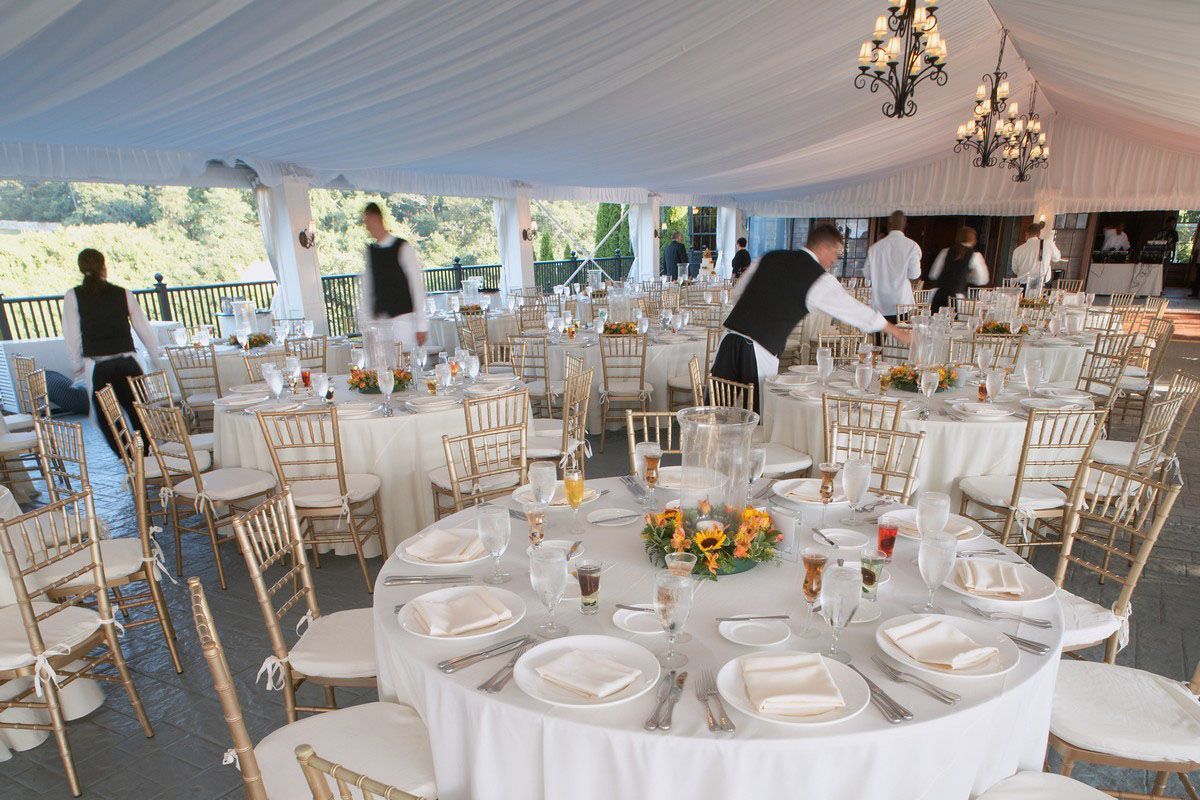
Outdoor venues continue to attract event planners seeking unique and memorable experiences. Gardens, parks, waterfront locations, and vineyards provide natural beauty and open-air environments that can enhance guest enjoyment. However, outdoor events require contingency planning for weather-related challenges.
Conference centers are ideal for business meetings, conventions, seminars, and trade shows. These venues typically offer extensive technological infrastructure, meeting rooms, and support services designed for professional events. As hybrid events become more common, conference centers often provide advanced broadcasting and streaming capabilities.
Hotels offer another attractive option, particularly for multi-day events. Many hotels provide integrated meeting spaces, guest accommodations, catering services, and event coordination support. This convenience can simplify planning and improve the attendee experience.
For organizers seeking a distinctive atmosphere, unique venues such as art galleries, museums, historic buildings, and industrial lofts offer memorable alternatives. These spaces often create strong visual impressions and can help reinforce event themes. Choosing a unique event space can make an occasion stand out and generate lasting memories for attendees.
How Can the Layout and Design of an Event Space Affect Your Event?
The layout and design of an event space directly influence how attendees interact with the environment and with one another. Even an attractive venue can present challenges if its design does not support the event's goals.
Seating arrangements are among the most important design considerations. The layout should encourage the desired level of interaction while maintaining visibility and accessibility. Classroom-style seating works well for educational sessions, while round tables encourage networking and discussion.
Stage placement also affects attendee engagement. Presenters, performers, and speakers should be easily visible from all areas of the venue. Proper positioning can improve audience participation and ensure important content is delivered effectively.
Traffic flow is another critical element. Guests should be able to move easily between entrances, registration areas, restrooms, dining stations, and activity zones. Poorly planned layouts can create bottlenecks and frustration.
Accessibility should remain a priority throughout the design process. A well-designed event space accommodates guests with varying mobility needs through features such as ramps, elevators, accessible seating, and clear pathways. Inclusive design helps ensure all attendees can participate comfortably.
What Logistical Considerations Are Important When Booking an Event Space?
Beyond aesthetics and capacity, logistical planning plays a significant role in venue selection. Overlooking logistical details can create unnecessary complications before and during the event.
Parking availability is often one of the first concerns for attendees. An event space with sufficient on-site parking or nearby parking options helps reduce stress and improve accessibility. If parking is limited, organizers may need to arrange shuttle services or provide alternative transportation information.
Public transportation access can also affect attendance. Venues located near bus routes, train stations, or airports may be more convenient for guests traveling from different locations.
Accommodation options are particularly important for events involving out-of-town attendees. Choosing an event space near hotels can simplify travel arrangements and improve overall convenience. Some venues, such as hotels and resorts, offer accommodations on-site, providing additional benefits.
Technical support is another essential consideration. Modern events often rely on audiovisual systems, internet connectivity, live streaming equipment, and presentation technology. Verifying that the venue can support these needs helps prevent technical difficulties on event day.
Finding the perfect event space requires careful consideration of numerous factors, including location, capacity, venue type, design, and logistics. Each decision contributes to the overall success of the event and the experience of attendees. By thoroughly evaluating your needs and understanding the strengths of different venue options, you can select an event space that supports your goals and creates a memorable occasion. The right venue serves as more than just a location—it becomes a key component of an exceptional event experience. If you're looking for the perfect event venue, reach out to the team at The Harrison Ballroom today!